
Commercial
Commercial Capital Improvements in Ottawa
Capital improvement planning is about prioritizing and sequencing construction work across a building or portfolio — roofing, mechanical systems, common areas, envelope repairs — so it gets done in a logical, budget-aware order. GCO helps property owners and managers turn an asset-condition list into packaged, schedulable construction scope. This is construction planning and coordination, not financial or investment advice.
Discuss your commercial project
In short
What this work involves.
Capital improvements are planned, often multi-year, construction projects addressing building systems or finishes identified through condition assessment; GCO’s role is to help package that work into schedulable scope and coordinate its construction, working from priorities the owner and their advisors set.
Who this helps
- Property managers working from a building condition assessment or reserve fund study
- Commercial landlords planning multi-year renovation or replacement programs
- Condo or multi-tenant building boards sequencing shared building system upgrades
- Owners who need construction scope packaged for budget approval cycles
Scope
Work this can include.
Typically included
- Reviewing condition assessment findings relevant to construction scope
- Packaging related work into schedulable projects (for example, grouping roofing and envelope work)
- Sequencing recommendations based on urgency, access and budget cycles
- Coordinating with the owner’s consultants on scope definition
- Scheduling construction phases across a multi-year program
- Progress reporting against the agreed program
Optional or project-dependent
- Phasing recommendations to align with tenant lease terms or seasonal constraints
- Coordination across multiple buildings in a portfolio
- Input on sequencing to reduce mobilization costs between related projects
Boundaries
- GCO does not provide financial, investment or reserve-fund advice; budget and funding decisions remain with the owner and their financial advisors
- Condition assessments and engineering evaluations are the responsibility of qualified consultants, not GCO
- GCO does not guarantee specific returns, value increases or payback periods from capital work
- Priority-setting is a collaborative exercise with the owner; GCO provides construction sequencing and cost perspective, not asset management decisions
Decision aid
Comparing commercial delivery models
| Model | Who holds the design contract | Who holds trade contracts | When price is fixed | Owner involvement |
|---|---|---|---|---|
| Design-bid-build | Owner, directly with architect/engineer | Owner, directly with general contractor | After design is complete, via competitive bid | High: owner manages two separate relationships |
| Design-build | GCO, or novated to GCO | GCO, with trade subcontracts | As design reaches an agreed completion level | Moderate: single point of contact, fewer direct contracts |
| Construction management | Owner, directly with architect/engineer | Owner, through the construction manager as agent or at-risk | Progressively, by trade package, as design completes in stages | High: owner involved in trade award decisions throughout |
Before a proposal
What we assess before proposing the work.
- Existing condition assessment or reserve fund study findings
- Which items are urgent versus deferrable
- Tenant occupancy and lease terms affecting access
- Annual or multi-year budget cycle constraints
- Interdependencies between planned work items
- Availability of the owner’s consultants for scope definition
Prioritisation
Turning a condition list into a construction plan
A condition assessment typically lists items by urgency and estimated cost. GCO works from that list to group related items into constructible packages, considering which items share access, equipment or trades so they can be sequenced efficiently rather than tackled in isolation.
Sequencing capital improvement work across a commercial building
Packaging
Scope packaging and scheduling
Packaging work into phases helps align construction with annual budget cycles and tenant disruption limits. GCO recommends a sequence and provides cost and schedule input so the owner can decide what proceeds in a given year.
- Grouping work by building system or affected area
- Aligning phases with budget approval cycles
- Flagging dependencies, such as roof work needed before interior repairs
- Scheduling around known tenant or seasonal constraints
Reporting
Coordination and reporting across a program
For multi-year or multi-building programs, ongoing reporting helps the owner track progress against the plan and revisit priorities as conditions change or new issues are identified.
Visual reference
Spaces and details to consider.
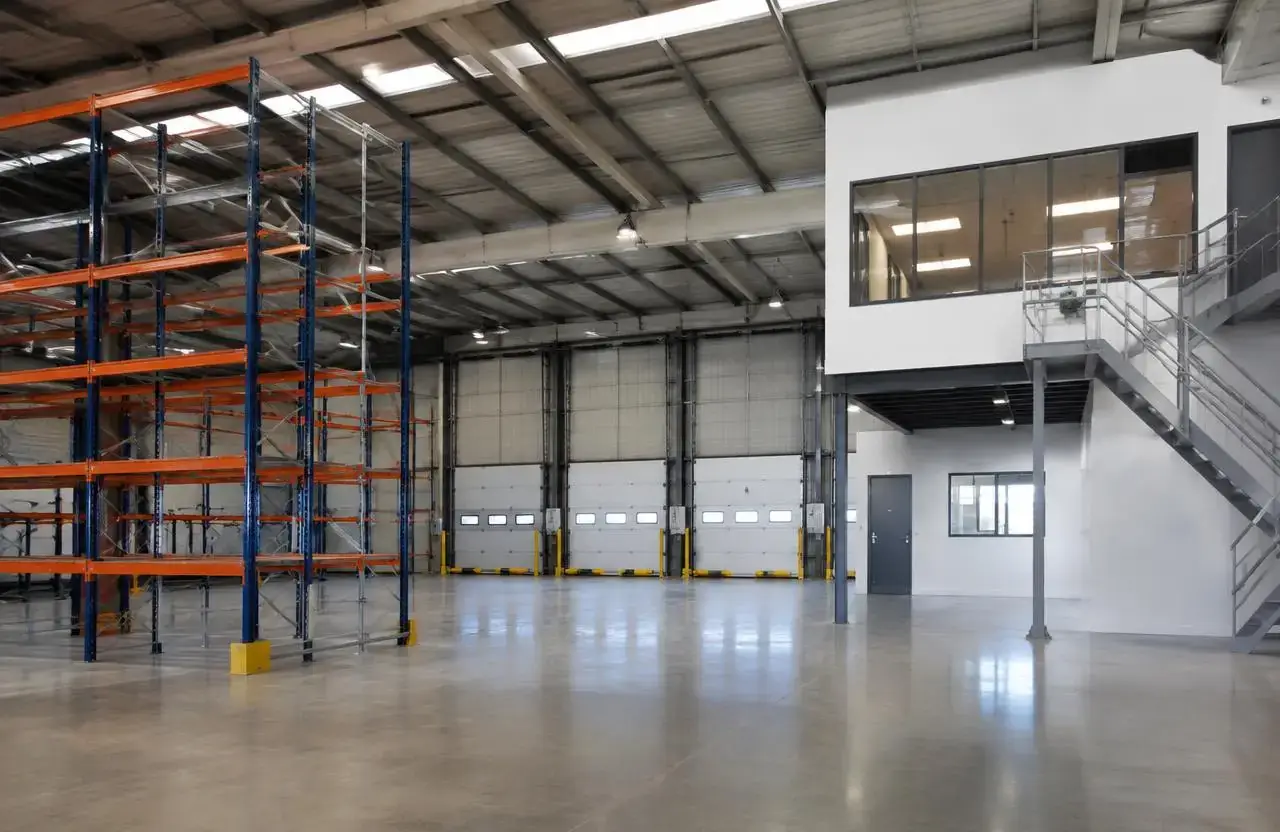
Capital improvement work scheduled across a larger facility
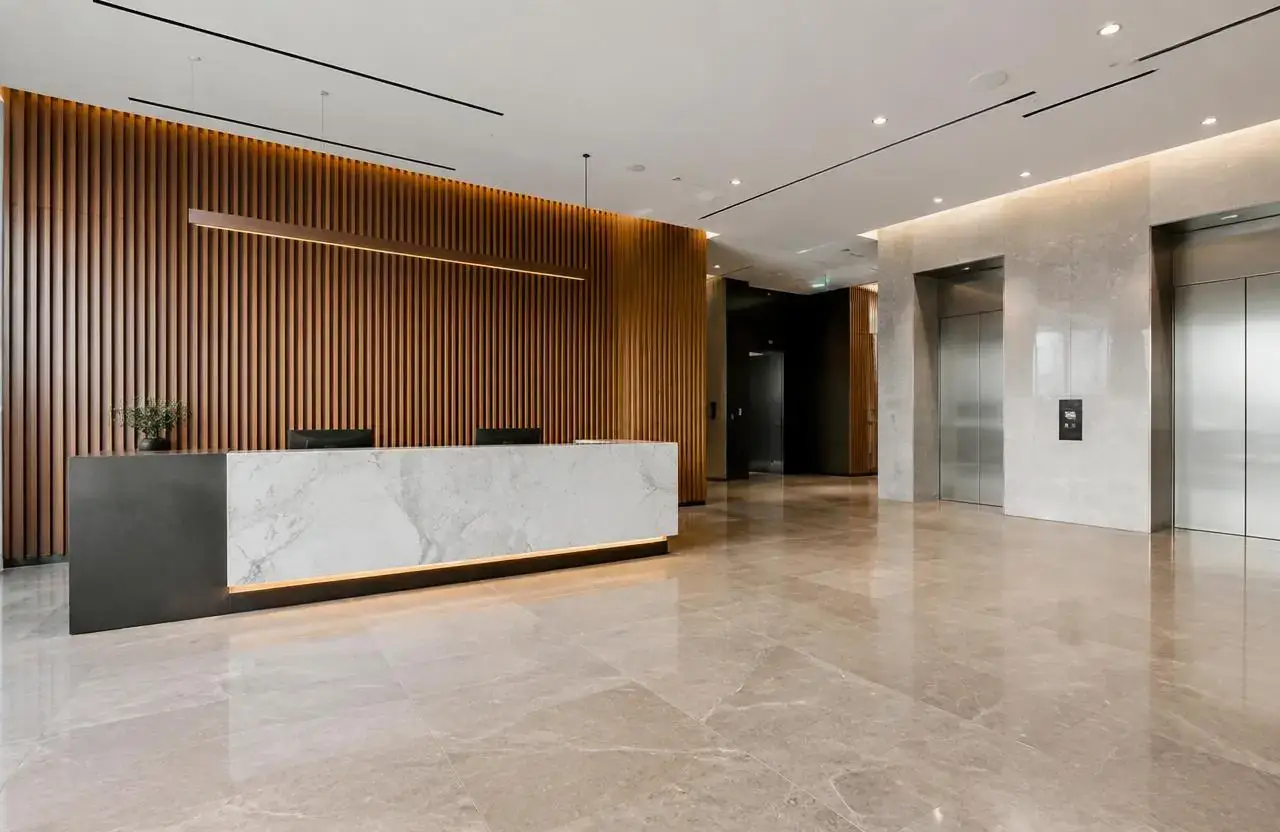
Common area capital improvement work as part of a building program
Cost
What shapes the cost.
GCO does not publish price ranges; each proposal reflects the actual scope and site.
- Number and scale of items identified for construction
- Sequencing efficiency and shared mobilization across packages
- Access constraints from tenant occupancy or seasonal limits
- Material and equipment lead times for larger building systems
- Scope changes as conditions are confirmed during work
- Site-specific factors uncovered once work begins
Timing
What shapes the schedule.
- 01
Review and prioritisation
Review condition findings and confirm priority order with the owner.
- 02
Packaging and budgeting
Group work into schedulable packages with cost input for approval.
- 03
Phased construction
Execute approved packages in sequence, often across multiple years.
- 04
Ongoing reporting
Track completed work and revisit the plan as conditions change.
Coordination
Who handles what.
GCO coordinates
- Reviewing condition assessment scope relevant to construction
- Packaging and sequencing recommended construction phases
- Providing cost and schedule input for budget approval cycles
- Coordinating trades across phased or multi-building work
- Reporting progress against the agreed program
Qualified others provide
- Building condition or reserve fund consultants: identifying and prioritizing items
- Property manager or board: approving budget and sequencing decisions
- Design professionals or engineers: scope and specification for relevant items
- Tenants: coordinating access and notice for affected areas
Process
How this kind of project moves.
01
Intake review
Review existing condition assessment or reserve fund study findings.
02
Sequencing proposal
Propose a packaged, prioritized construction sequence with cost input.
03
Approval
Owner or board approves the phased program and budget allocation.
04
Execution and reporting
Construct approved phases and report progress against the plan.
Ottawa
Local context.
Capital improvement programs for Ottawa buildings still require permits for applicable scope, and phasing should account for the City of Ottawa’s current permit review timelines when scheduling each package.
Condominium corporations in Ottawa often plan capital work around reserve fund study cycles; GCO coordinates construction sequencing around those cycles rather than setting the funding plan itself.
Service areasFAQs
Questions before you enquire.
Does GCO perform the condition assessment itself?
No. Condition assessments and reserve fund studies are performed by qualified consultants; GCO works from their findings to plan construction.
Can GCO tell us what our return on investment will be?
No. GCO does not provide financial or investment advice; budget and return questions should go to the owner’s financial advisors.
How are priorities decided?
Priorities come from the owner, their board, and their condition assessment findings; GCO provides construction sequencing and cost perspective to support those decisions.
Can a capital program span multiple years?
Yes, many capital improvement programs are phased over several years to align with budget cycles.
Does packaging work together reduce cost?
Sequencing related work together can reduce mobilization and access costs, but actual savings depend on the specific items and site.
Can this work cover multiple buildings in a portfolio?
Yes, portfolio-wide coordination can be discussed as part of the program.
Related
Related commercial planning.
The next conversation
Discuss your commercial capital improvements project.
Share a few details about the space, the work you have in mind, and your timing.