
Commercial
Apartment Building Renovations in Ottawa
Apartment building renovations in Ottawa cover shared common areas and individual unit work across rental properties, coordinated with the owner or property manager rather than individual residents. GCO works around tenancy, turnover timing and portfolio-wide scheduling.
Discuss your commercial project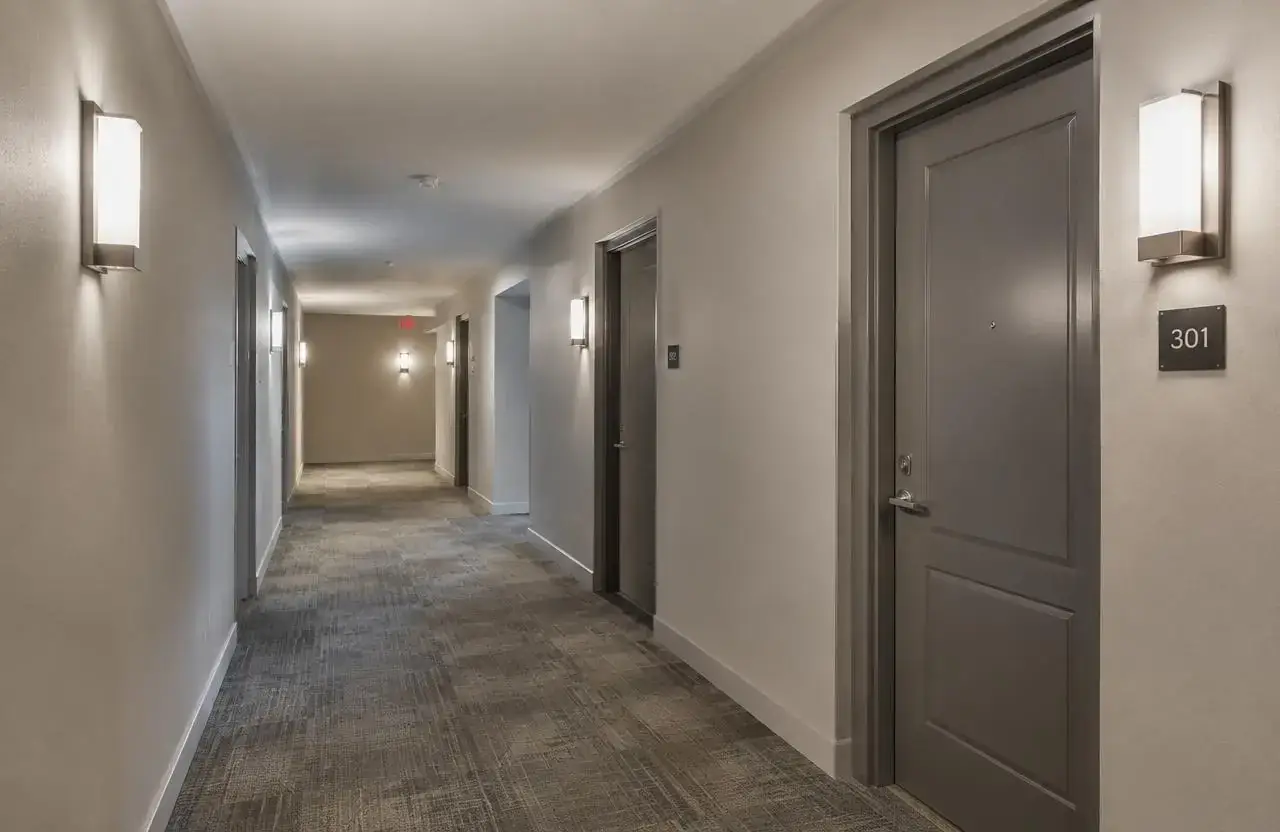
In short
What this work involves.
This page is for landlords, property managers and portfolio owners of purpose-built or converted rental apartment buildings. It covers shared-area renovation, repeatable unit-turnover scope and portfolio planning, distinct from condominium common-area work where a board of owners governs decisions.
Who this helps
- Landlords and property owners of rental apartment buildings
- Property management companies overseeing multiple buildings
- Portfolio owners planning repeatable unit-turnover scope
- Owners responding to capital planning or building-condition assessments
Scope
Work this can include.
Typically included
- Common-area lobby, corridor and laundry room renovation
- Unit turnover renovation scope (flooring, kitchen, bathroom refresh)
- Common-area washroom and amenity space upgrades
- Mailroom, bike storage and shared utility area updates
- Repeatable finish packages for multi-unit turnover programs
- Coordination of access with occupied, tenanted units
- Portfolio-wide scheduling across several properties
Optional or project-dependent
- Exterior entrance or signage coordination tied to common-area work
- Accessibility upgrades to common-area routes
Boundaries
- GCO does not provide tenancy law, Landlord and Tenant Board or lease-notice advice; this remains with the owner or their legal counsel
- Renovations inside occupied units require the owner to confirm and manage tenant notice and access under the applicable tenancy framework
- GCO does not claim comprehensive expertise in every residential tenancy scenario; confirm notice and access requirements with the relevant authority or legal counsel
Decision aid
Common apartment building project types
| Project type | Typical scope | Coordination needed |
|---|---|---|
| Common-area renewal | Lobby, corridor, laundry room finishes | Owner/manager approval, resident notice |
| Unit turnover program | Flooring, kitchen and bathroom refresh between tenancies | Vacant-unit scheduling, repeatable finish package |
| Occupied-unit renovation | In-suite work with a tenant remaining in place | Tenant notice and access under the applicable tenancy framework |
| Portfolio-wide capital project | Same scope repeated across multiple buildings | Phasing and sequencing across properties |
Before a proposal
What we assess before proposing the work.
- Current condition of common areas and sample units
- Vacancy and turnover schedule driving unit-level work
- Owner or property manager's standard finish package, if one exists
- Access and notice process the owner uses for occupied-unit work
- Building-condition assessment or capital plan findings relevant to scope
- Portfolio scheduling constraints across multiple properties
Premises areas
Common areas and unit scope
Apartment building projects typically split into two categories: shared common areas used by all residents, and individual unit interiors renovated at turnover or, less often, while occupied. GCO scopes each category separately since access, scheduling and finish standards differ.
Common areas include the lobby, corridors, laundry rooms and shared amenity or utility spaces. Unit scope usually follows a repeatable package — flooring, kitchen and bathroom refresh — applied consistently across multiple suites as they turn over.
- Lobby and corridors
- Laundry room
- Mailroom and shared storage
- Individual unit interiors (turnover-driven)
Illustrative residential building corridor with carpet tile and wall sconces
Unit turnover
Unit turnover scheduling and repeatable scope
Many owners renovate units only as they become vacant between tenancies, using a standard finish package to keep costs and timelines predictable across a portfolio. GCO can work from an existing finish standard or help establish one, then execute it consistently as units turn over.
Where the owner wants to renovate an occupied unit, the tenant notice and access process must be confirmed under the applicable tenancy framework before scheduling; GCO coordinates the construction once access is confirmed but does not manage tenancy notice itself.
Portfolio planning
Portfolio-wide scheduling across properties
Owners and managers with multiple buildings often sequence renovations across properties to manage cash flow and crew availability. GCO can plan a rolling schedule across several addresses rather than treating each building as an isolated project.
Illustrative kitchen renovation with updated cabinetry and finishes
Visual reference
Spaces and details to consider.
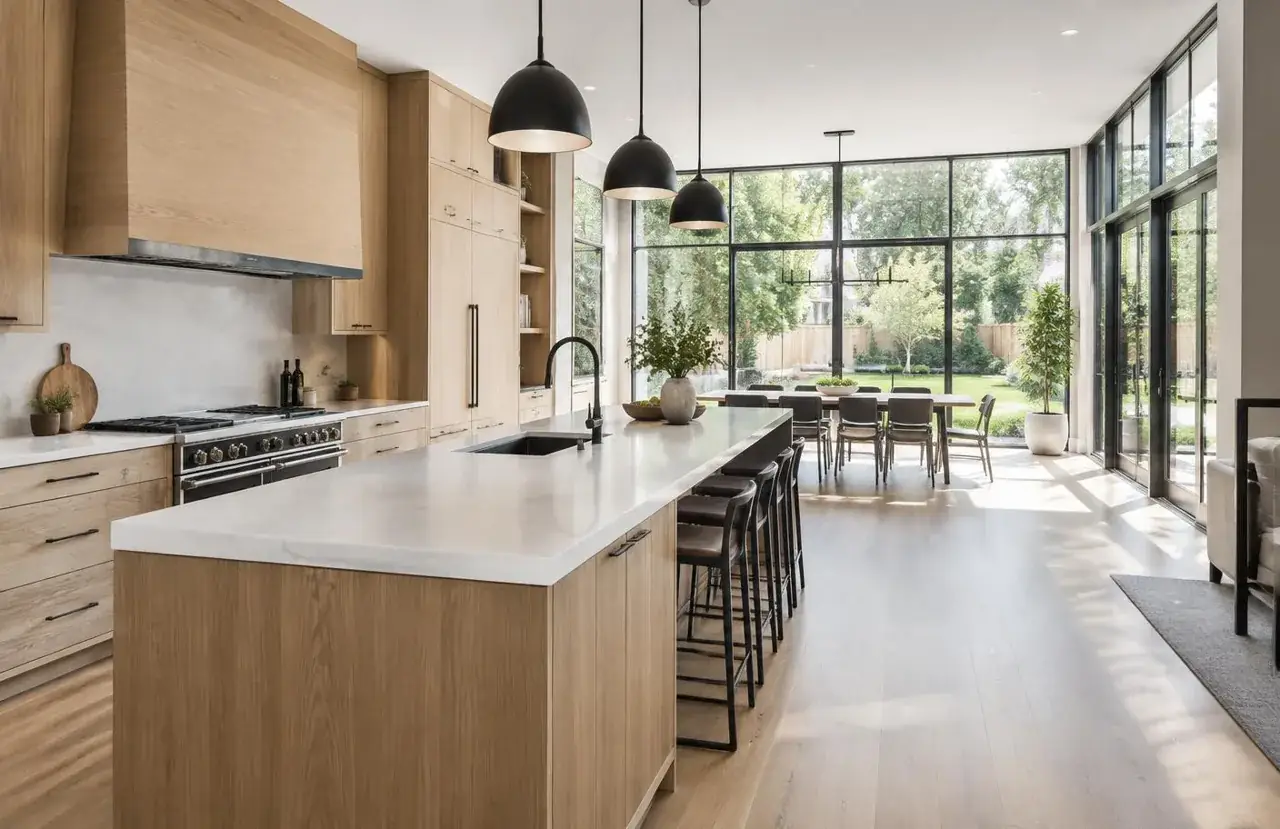
Illustrative kitchen renovation with updated cabinetry and finishes
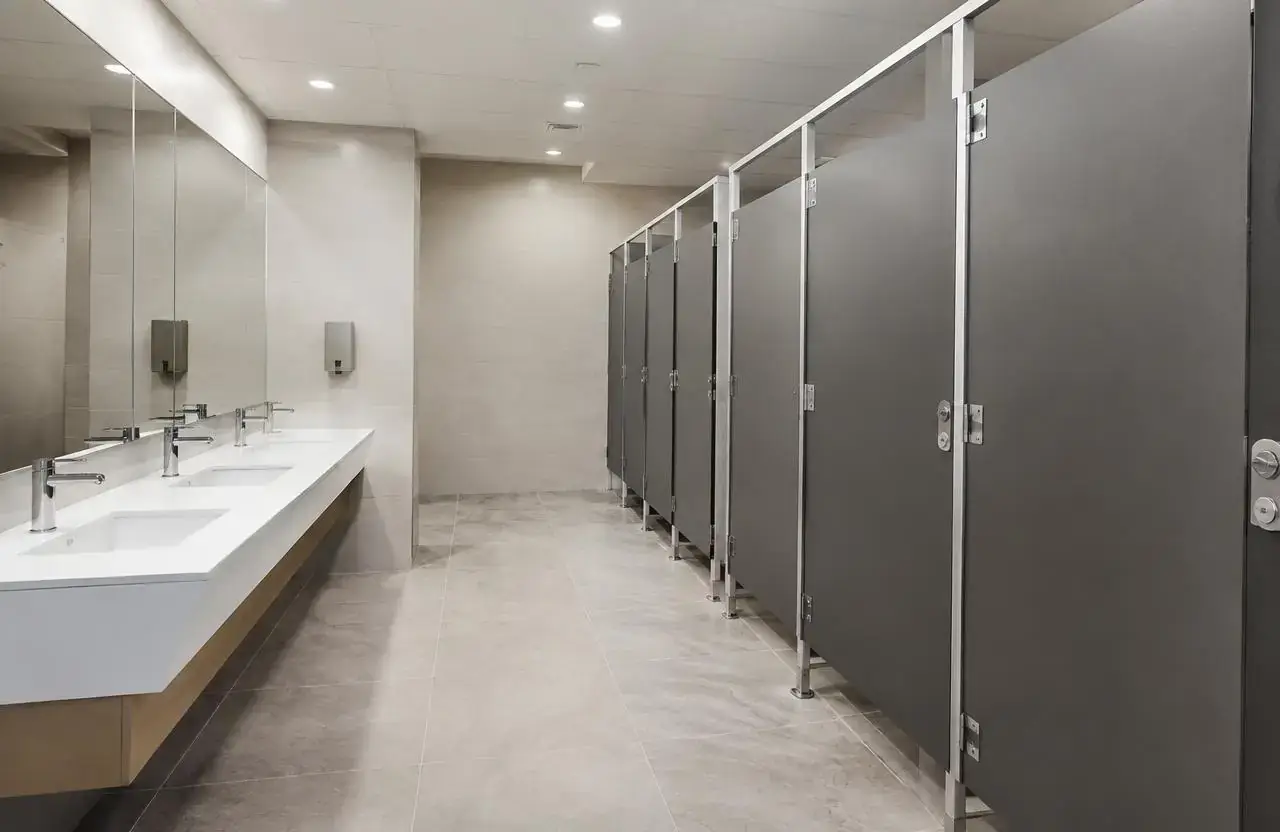
Illustrative commercial washroom with partitions and wall-hung sinks
Cost
What shapes the cost.
GCO does not publish price ranges; each proposal reflects the actual scope and site.
- Number of units in a turnover program and the finish package selected
- Common-area scope (lobby, corridor, laundry room) and finish level
- Whether units are renovated vacant or occupied
- Portfolio-wide scheduling across multiple buildings
- Existing building condition and age of common-area systems
- Access logistics in occupied, tenanted buildings
Timing
What shapes the schedule.
- 01
Consultation
Review the owner's finish standards, vacancy schedule and common-area priorities.
- 02
Assessment
Walkthrough of common areas and sample units against intended scope.
- 03
Proposal
Scope, repeatable unit package and schedule confirmed.
- 04
Construction
Common-area work and unit turnovers sequenced around vacancy and access.
- 05
Handover
Walkthrough and documentation for the owner or manager's records.
Coordination
Who handles what.
GCO coordinates
- Establishing or executing a repeatable unit finish package
- Scheduling common-area work around resident access
- Sequencing unit turnovers to match vacancy timing
- Planning portfolio-wide schedules across multiple buildings
- Coordinating with the owner or manager as the point of contact
Qualified others provide
- Owner or property manager for tenant notice and access under the applicable tenancy framework
- Legal counsel for tenancy-related notice requirements
- Building-condition assessment consultant where findings drive scope
Process
How this kind of project moves.
01
Consultation
Discuss vacancy schedule, finish standards and common-area priorities.
02
Assessment
Walk through common areas and representative units.
03
Proposal
Confirm repeatable scope, cost drivers and schedule.
04
Construction and handover
Execute common-area and unit work on the agreed schedule, then hand over documentation.
Ottawa
Local context.
Ottawa's rental apartment stock ranges from older low-rise buildings to larger purpose-built towers, often owned by portfolio landlords or property management companies managing several properties at once. Turnover-driven unit renovation and common-area capital projects are typical ways these owners plan ongoing work.
Service areasFAQs
Questions before you enquire.
Do you renovate occupied apartment units?
This is handled case by case; the owner must confirm tenant notice and access under the applicable tenancy framework before GCO schedules in-suite work.
Can you apply the same finish package across multiple units?
Yes, this is a common and efficient approach for turnover-driven programs; GCO can work from an existing standard or help establish one.
How is this different from condo common-area work?
Apartment buildings are typically owned by a single landlord or company rather than governed by a condo board of individual owners, which changes the approval process and point of contact.
Can you schedule work across several buildings in our portfolio?
Yes, portfolio-wide scheduling is common for owners managing multiple properties.
Do you provide tenancy notice or Landlord and Tenant Board guidance?
No. This remains with the owner or their legal counsel; GCO coordinates construction once access is confirmed.
What triggers a common-area renovation?
Often a building-condition assessment, capital plan or visible wear; GCO can work from an existing assessment or complete its own walkthrough.
Related
Related commercial planning.
The next conversation
Discuss your apartment building renovations project.
Share a few details about the space, the work you have in mind, and your timing.