
Commercial
Commercial Preconstruction Services in Ottawa
Preconstruction covers the planning work GCO does with an owner and design team before construction begins: reviewing site and scope, developing estimates as design matures, checking constructability, and flagging lead times early. It helps an owner understand likely cost and schedule before committing to a fixed price, and it is distinct from a committed quote for finished work.
Discuss your commercial project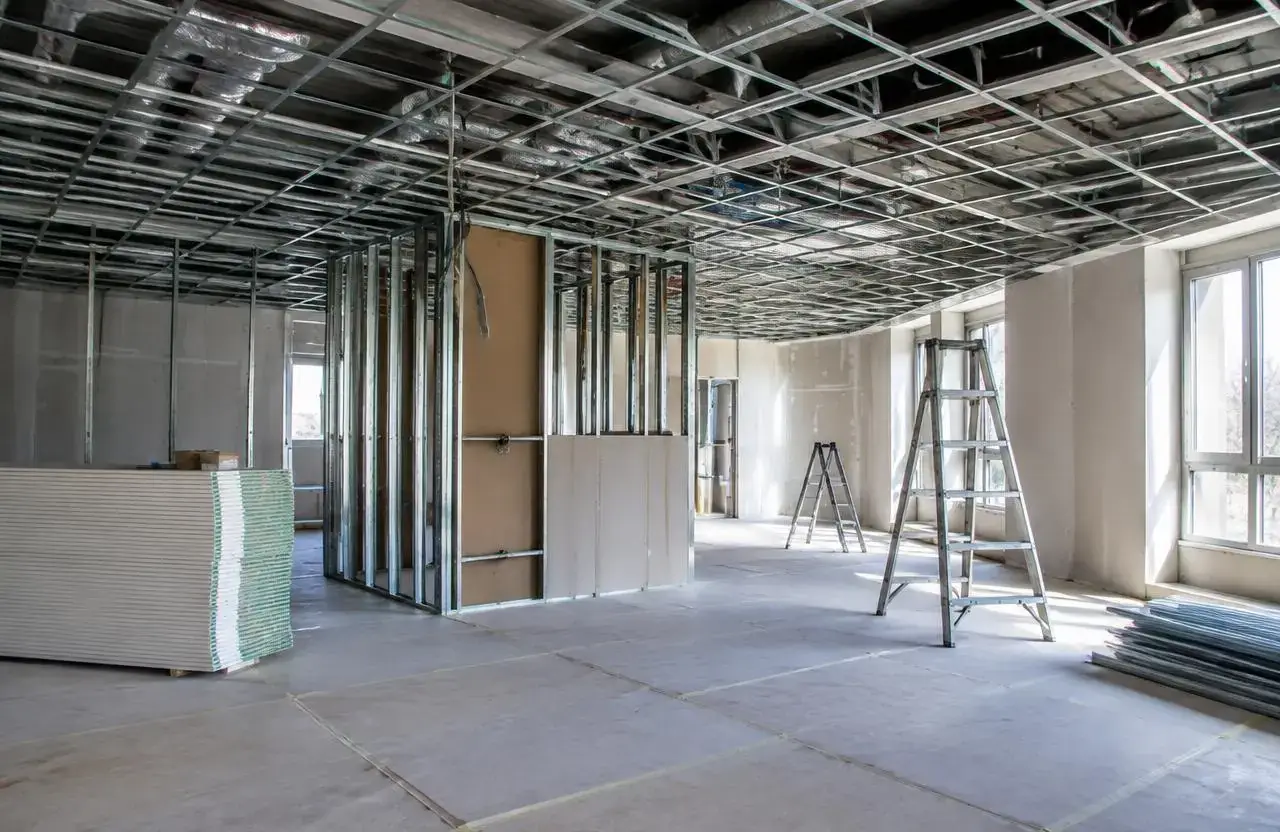
In short
What this work involves.
Preconstruction services are advisory and planning work — site review, estimating, scheduling and constructability input alongside the design team — that inform decisions before a construction contract is signed; they produce estimates and assumptions, not a guaranteed price.
Who this helps
- Owners evaluating whether a project is feasible before committing budget to full design
- Design teams who want contractor input on constructability during design development
- Tenants or landlords comparing renovation options before choosing a design direction
- Owners who need an early, honestly-caveated budget range for internal approval
Scope
Work this can include.
Typically included
- Site and existing-condition review relevant to the proposed scope
- Review of design documents at whatever stage they currently exist
- Preliminary estimates tied to the current level of design detail
- Identification of long-lead items and their likely lead times
- Constructability review and sequencing input to the design team
- Procurement planning recommendations for the delivery method chosen
Optional or project-dependent
- Multiple estimate iterations as design develops through defined milestones
- Comparative budgets for different scope or finish options
- Permit and approval timeline research specific to the project
Boundaries
- Preconstruction estimates are assumptions based on available information, not committed prices
- GCO does not perform design or engineering; input is limited to constructability, sequencing and cost perspective
- Estimate accuracy depends on design completeness; early-stage estimates carry wider ranges than later ones
- A committed price is normally confirmed only once scope and design reach an agreed level of completion
Decision aid
Comparing commercial delivery models
| Model | Who holds the design contract | Who holds trade contracts | When price is fixed | Owner involvement |
|---|---|---|---|---|
| Design-bid-build | Owner, directly with architect/engineer | Owner, directly with general contractor | After design is complete, via competitive bid | High: owner manages two separate relationships |
| Design-build | GCO, or novated to GCO | GCO, with trade subcontracts | As design reaches an agreed completion level | Moderate: single point of contact, fewer direct contracts |
| Construction management | Owner, directly with architect/engineer | Owner, through the construction manager as agent or at-risk | Progressively, by trade package, as design completes in stages | High: owner involved in trade award decisions throughout |
Before a proposal
What we assess before proposing the work.
- Current design stage and available drawings
- Whether the owner has a target budget range to validate
- Site access for an existing-condition review
- Delivery method under consideration, since it affects when a firm price is set
- Target schedule and known long-lead items specific to the sector
- Decision-making timeline for moving from preconstruction into committed design or construction
Estimating
Estimating assumptions and accuracy
Every preconstruction estimate is based on stated assumptions — the design information available, anticipated finish levels, and conditions not yet verified on site. These assumptions are documented so the owner understands what the number does and does not include, and estimates are refined as design and site information improve.
Site review informing preconstruction estimating assumptions
Constructability
Constructability and sequencing input
Reviewing drawings for buildability before construction starts can surface sequencing conflicts, access constraints or material lead times early, when they are cheaper to address in design than after trades are mobilized.
- Identifying site access or logistics constraints
- Flagging long-lead materials and equipment for early procurement
- Reviewing sequencing for phased or occupied-building scenarios
- Commenting on detailing that may be difficult or costly to build as drawn
Separation of advice and price
Advice versus committed price
Preconstruction work is advisory: it informs decisions and supports internal approvals, but it is not a quote the owner can hold GCO to. A committed price follows once scope, design and site conditions are confirmed to an agreed level.
Visual reference
Spaces and details to consider.

Office project estimate informed by preconstruction review
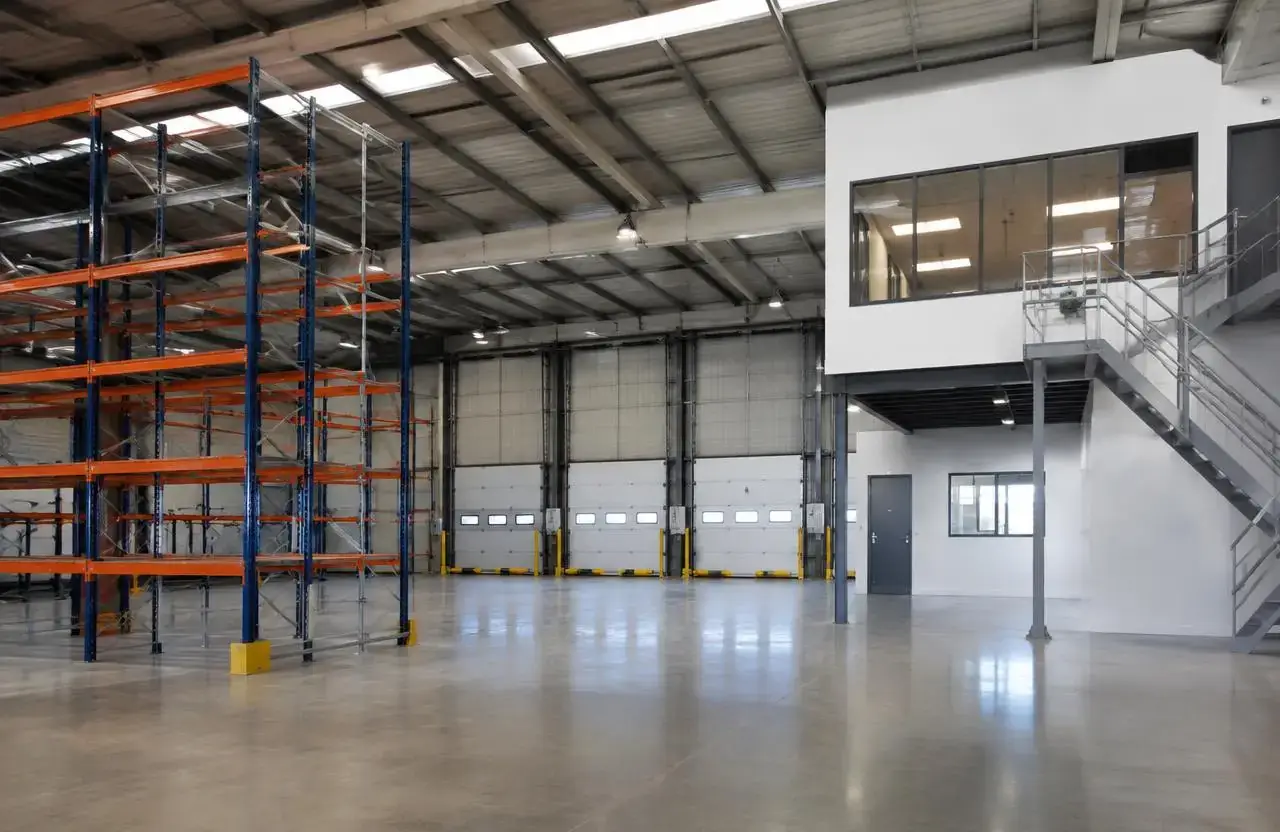
Constructability review for a warehouse project
Cost
What shapes the cost.
GCO does not publish price ranges; each proposal reflects the actual scope and site.
- Level of design detail available at the time of estimating
- Site access and the extent of existing-condition verification possible
- Number of estimate iterations requested as design develops
- Scope changes introduced during the preconstruction period
- Market pricing volatility between early estimate and eventual tender
- Long-lead items identified that affect schedule assumptions
Timing
What shapes the schedule.
- 01
Initial review
Review available drawings, site conditions and project goals.
- 02
Early estimate
Produce a preliminary, assumption-based budget range.
- 03
Design-stage refinement
Update estimates and constructability input as design develops.
- 04
Transition to commitment
Move into a fixed-price or construction management agreement once scope is confirmed.
Coordination
Who handles what.
GCO coordinates
- Conducting site and document review
- Preparing and updating estimates as design matures
- Flagging constructability and sequencing issues to the design team
- Researching lead times for sector-specific materials or equipment
Qualified others provide
- Design professional: issuing drawings at each stage for review
- Owner: setting budget expectations and approving the move to commitment
- Specialty consultants: providing input on their respective systems
Process
How this kind of project moves.
01
Scoping call
Confirm project goals, available documents and desired preconstruction deliverables.
02
Site and document review
Assess existing conditions and current design information.
03
Estimate and constructability input
Deliver a budget range with assumptions and sequencing comments.
04
Decision point
Owner decides whether to proceed to committed design and construction.
Ottawa
Local context.
Preconstruction review for Ottawa projects includes checking what information the City of Ottawa’s permit process will require, since permit lead times affect overall project scheduling assumptions.
For leased premises, preconstruction review also considers landlord work-letter requirements and base-building conditions that affect both estimate and schedule.
Service areasFAQs
Questions before you enquire.
Is a preconstruction estimate the same as a quote?
No. It is a budget range based on stated assumptions and the design information available at the time, not a committed price.
How accurate is an early estimate?
Accuracy improves as design detail improves; early estimates carry wider ranges than estimates produced closer to construction.
Do I need a signed design contract to use preconstruction services?
Not necessarily; preconstruction review can start with early concept information, though more detail produces a more reliable estimate.
Does preconstruction commit me to using GCO for construction?
No, preconstruction and construction are typically separate decisions, though continuity can simplify the handoff.
What happens to long-lead items identified during preconstruction?
They are flagged so the owner and design team can plan procurement timing before committing to a schedule.
Can preconstruction help compare two design options?
Yes, comparative budgeting of options is a common use of preconstruction services.
Related
Related commercial planning.
The next conversation
Discuss your commercial preconstruction services project.
Share a few details about the space, the work you have in mind, and your timing.