
Commercial
Commercial Restoration in Ottawa
Commercial restoration rebuilds a space after water damage, fire damage, structural failure or similar events, once the site is safe and any emergency mitigation is complete. GCO handles the planned repair and reinstatement phase — assessing damaged areas, documenting scope and rebuilding to match or improve on the prior condition. We do not provide 24/7 emergency mitigation; that work, if needed immediately after an incident, should go to a dedicated emergency restoration service.
Discuss your commercial project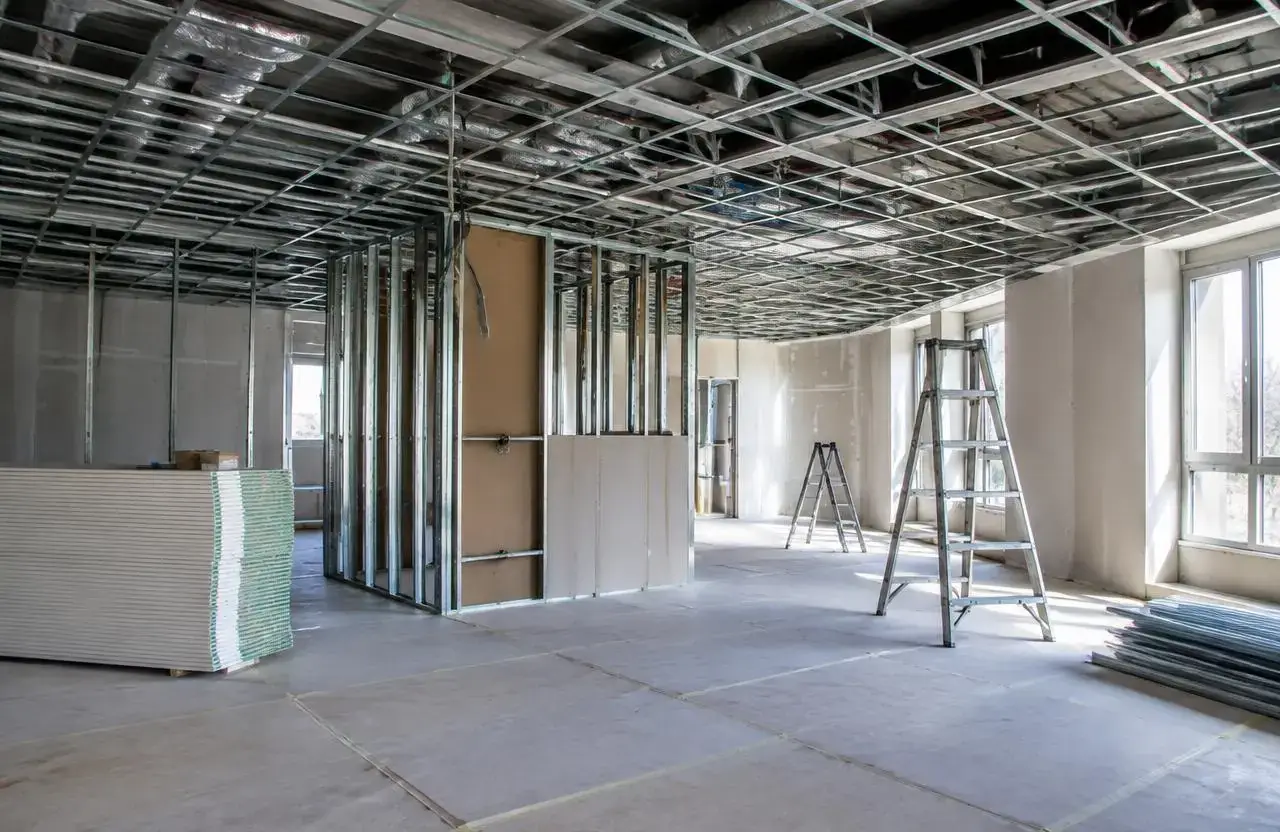
In short
What this work involves.
Restoration repairs and reinstates a commercial space damaged by a specific event, distinct from routine renovation. The scope is driven by the extent of the damage rather than a design preference, and the work usually follows an assessment, sometimes tied to an insurance claim. It helps owners and tenants get a damaged space back into usable condition after water, fire, structural or similar incidents.
Who this helps
- Commercial property owners rebuilding after water, fire or structural damage
- Tenants coordinating reinstatement of leased space after a damage event
- Property managers overseeing repair work tied to an insurance claim
- Owners addressing deferred damage repair once immediate hazards are resolved
Scope
Work this can include.
Typically included
- Damage assessment and documentation of affected areas
- Removal of damaged materials once the area is confirmed safe
- Structural repair coordination with an engineer, where required
- Rebuilding affected partitions, ceilings, flooring and finishes
- Coordinating mechanical, electrical and plumbing repairs tied to the damage
- Documentation to support an insurance claim, where applicable
Optional or project-dependent
- Upgrading finishes or layout during reinstatement, beyond a like-for-like rebuild
- Coordinating with the client's insurance adjuster or public adjuster
- Moisture testing or air quality testing through a third-party specialist
Boundaries
- GCO does not provide 24/7 emergency mitigation services (water extraction, board-up, emergency drying) — these are arranged separately if not already addressed before we are engaged
- Structural engineering assessment of damage is performed by a qualified engineer, not GCO
- Insurance claim adjudication and coverage decisions rest with the client's insurer, not GCO
Decision aid
Emergency mitigation versus planned reinstatement
| Phase | Typical activity | Timing | Who typically handles it |
|---|---|---|---|
| Emergency mitigation | Water extraction, board-up, temporary power shutoff, immediate hazard control | Within hours of the incident | A dedicated 24/7 emergency restoration company |
| Assessment | Documenting damage, scoping repairs, engaging an engineer if structure is affected | Days after the incident | GCO, working with your insurer/adjuster and any specialist consultants |
| Planned reinstatement | Rebuilding partitions, finishes, systems to restore the space | Weeks to months, depending on scope | GCO, coordinating trades for the rebuild |
Before a proposal
What we assess before proposing the work.
- Current status of the damaged area: has emergency mitigation already occurred
- Extent and type of damage: water, fire, structural or a combination
- Whether a structural engineer has reviewed affected elements
- Insurance claim status and any documentation requirements from the insurer
- Materials and systems affected and whether like-for-like or upgraded reinstatement is wanted
- Occupancy status of the space and surrounding areas during repair
- Any hazardous materials considerations in older buildings affected by damage
Scope boundary
Where GCO's role starts
Immediately after a water, fire or similar incident, mitigation work — extracting water, drying structure, boarding up openings — needs to happen fast, often outside normal business hours, through a dedicated emergency restoration company. GCO's role is the planned repair and reinstatement that follows once the site is stabilized and safe to assess.
If mitigation has not yet occurred when you contact us, we will say so clearly and point you toward getting that addressed first, rather than taking on work outside our actual service.
Illustrative commercial interior during a planned reinstatement following damage
Planning
Assessing and documenting the damage
Once the space is safe to work in, we assess the extent of affected materials and systems, document findings, and involve a structural engineer if there's any question about the building's structural condition. This documentation also supports an insurance claim, where one is in progress — though the claim itself is handled between the client and their insurer.
- Visual assessment and documentation of damaged materials
- Structural engineer involvement for any affected load-bearing elements
- Coordination with the client's insurance adjuster, where applicable
Construction scope
Rebuilding the affected space
Reinstatement rebuilds the damaged area — partitions, ceilings, flooring, systems and finishes — generally to match its pre-damage condition unless the client chooses to upgrade materials or layout during the rebuild. We sequence this like any interior construction project, coordinating trades and keeping the client informed as work proceeds.
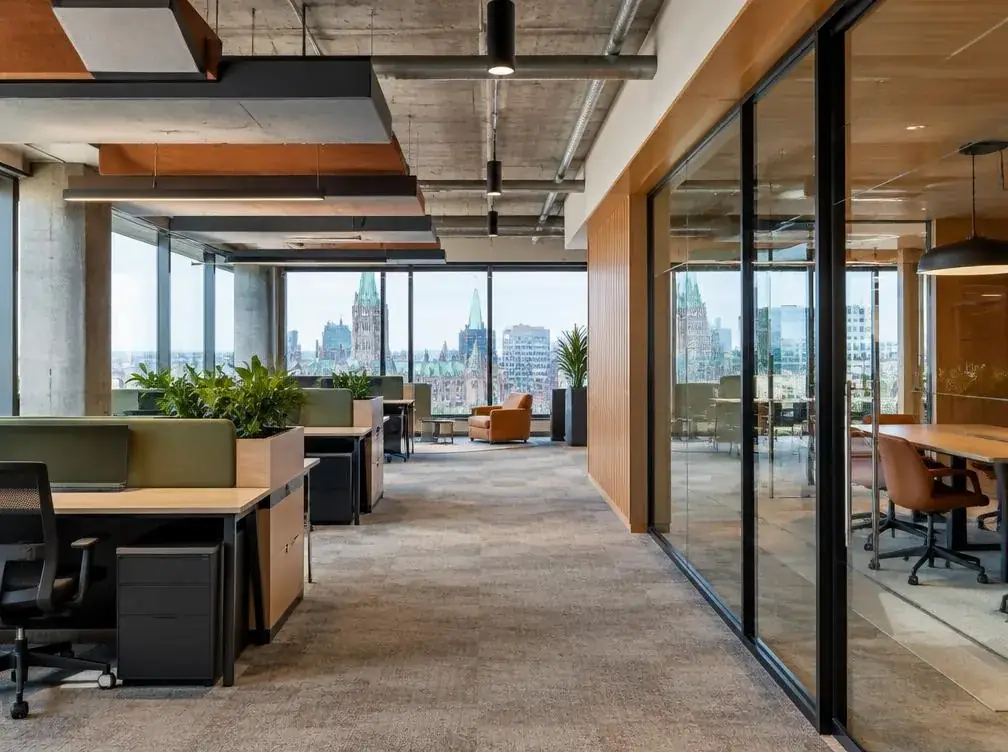
Illustrative office space being rebuilt after a damage reinstatement
Visual reference
Spaces and details to consider.
Illustrative office interior rebuilt after a restoration project
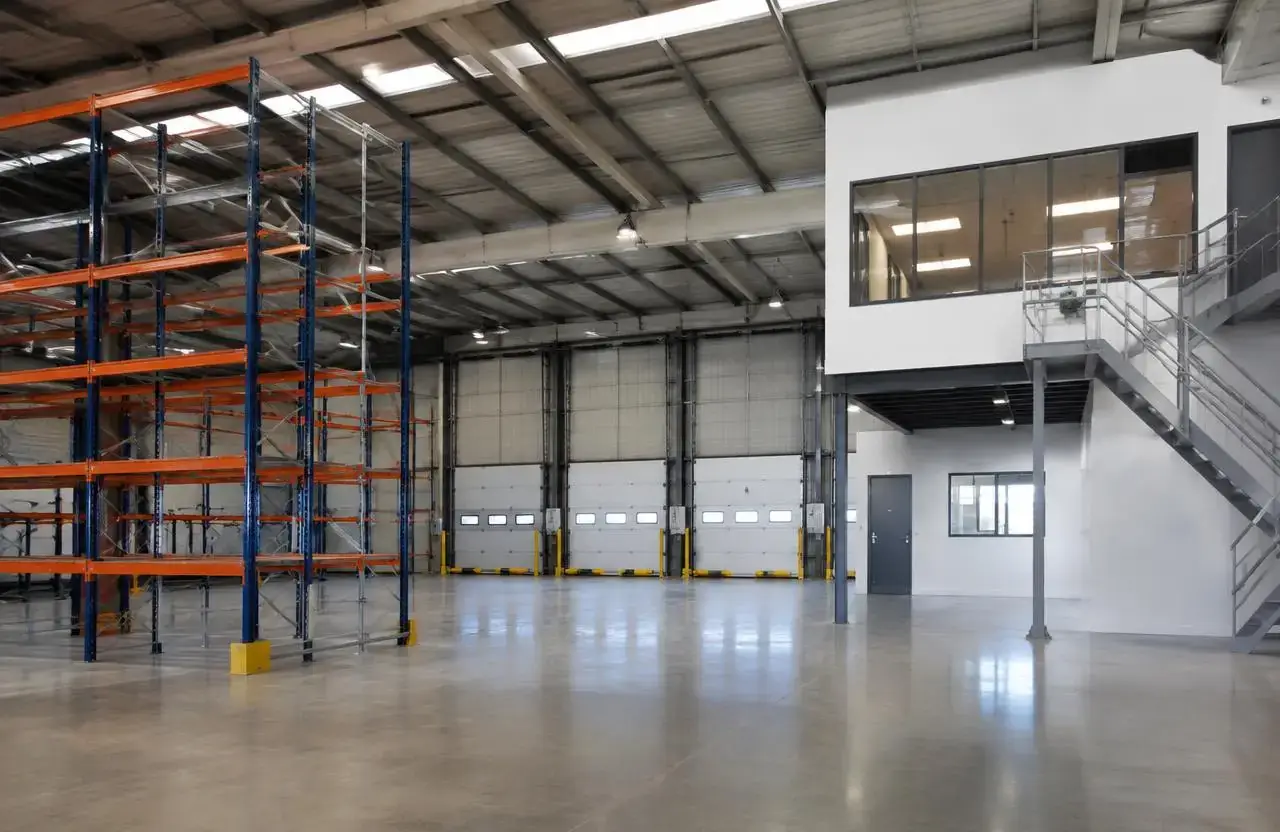
Illustrative warehouse area under repair following structural damage
Cost
What shapes the cost.
GCO does not publish price ranges; each proposal reflects the actual scope and site.
- Extent of damage and materials requiring replacement
- Structural repair scope, if engineering review identifies affected elements
- Systems repair complexity (mechanical, electrical, plumbing)
- Like-for-like rebuild versus an upgraded reinstatement
- Hazardous materials considerations in older affected buildings
- Documentation and reporting needs tied to an insurance claim
- Occupancy status and access constraints during the rebuild
Timing
What shapes the schedule.
- 01
Mitigation (if not already complete)
Arranged through a dedicated emergency restoration service before GCO's assessment begins.
- 02
Assessment and documentation
Damage reviewed, documented and scoped, with engineering input where structure is affected.
- 03
Planning and approvals
Scope confirmed with the client and insurer; permits obtained where required.
- 04
Reinstatement construction
Rebuilding of affected partitions, systems and finishes.
- 05
Close-out
Final walkthrough and documentation for the client and insurer.
Coordination
Who handles what.
GCO coordinates
- Assessing and documenting damaged areas once the site is safe
- Coordinating structural engineer involvement for affected elements
- Managing the rebuild: trades, materials and sequencing
- Providing documentation to support the client's insurance process
- Coordinating permits for the reinstatement work
Qualified others provide
- Emergency restoration company: immediate mitigation (water extraction, board-up, drying)
- Structural engineer: assessment of damaged structural elements
- Insurance adjuster: claim assessment and coverage decisions
- City of Ottawa: permits for reinstatement work, where required
Process
How this kind of project moves.
01
Initial contact and status check
We confirm whether emergency mitigation has already occurred and discuss the current site condition.
02
Assessment and documentation
We assess the damage and document findings to support scoping and any insurance claim.
03
Quote and schedule
A written scope and price for the reinstatement work.
04
Rebuild and handover
Coordinated construction through to a final walkthrough.
Ottawa
Local context.
Reinstatement work in Ottawa commercial buildings may require a building permit depending on the extent of structural, electrical or mechanical repair involved; confirm with the City of Ottawa building permit office. Older buildings affected by fire or water damage can also raise hazardous materials considerations that should be assessed before demolition or rebuild work begins.
Service areasFAQs
Questions before you enquire.
Does GCO provide emergency water extraction or board-up services?
No. We handle the planned repair and reinstatement once the site is safe. For immediate emergency mitigation, contact a dedicated 24/7 emergency restoration service.
Can you work directly with our insurance adjuster?
We can provide documentation and scope information to support your insurance claim, but the claim itself is between you and your insurer.
Will the rebuilt space look exactly like it did before the damage?
That depends on what you want — we typically rebuild to match the pre-damage condition, but clients can choose to upgrade materials or layout during reinstatement.
Do you assess whether the building is structurally safe?
No. A qualified structural engineer assesses structural safety and damage; we coordinate their involvement and build to their findings.
How soon can reinstatement start after an incident?
It depends on when mitigation is complete and the site is safe to assess. We can discuss scope as soon as that stage is reached.
Is hazardous material testing needed after fire or water damage?
It can be, particularly in older buildings. We recommend confirming with a qualified assessor before demolition of damaged materials begins.
Related
Related commercial planning.
The next conversation
Discuss your commercial restoration project.
Share a few details about the space, the work you have in mind, and your timing.